














![[GALLERY] Walking in (Downtown) Memphis](https://stmarystatler.org/wp-content/uploads/2024/04/E1DAD3FE-E2CE-486F-8D1D-33D687B1613F_1_105_c.jpeg)

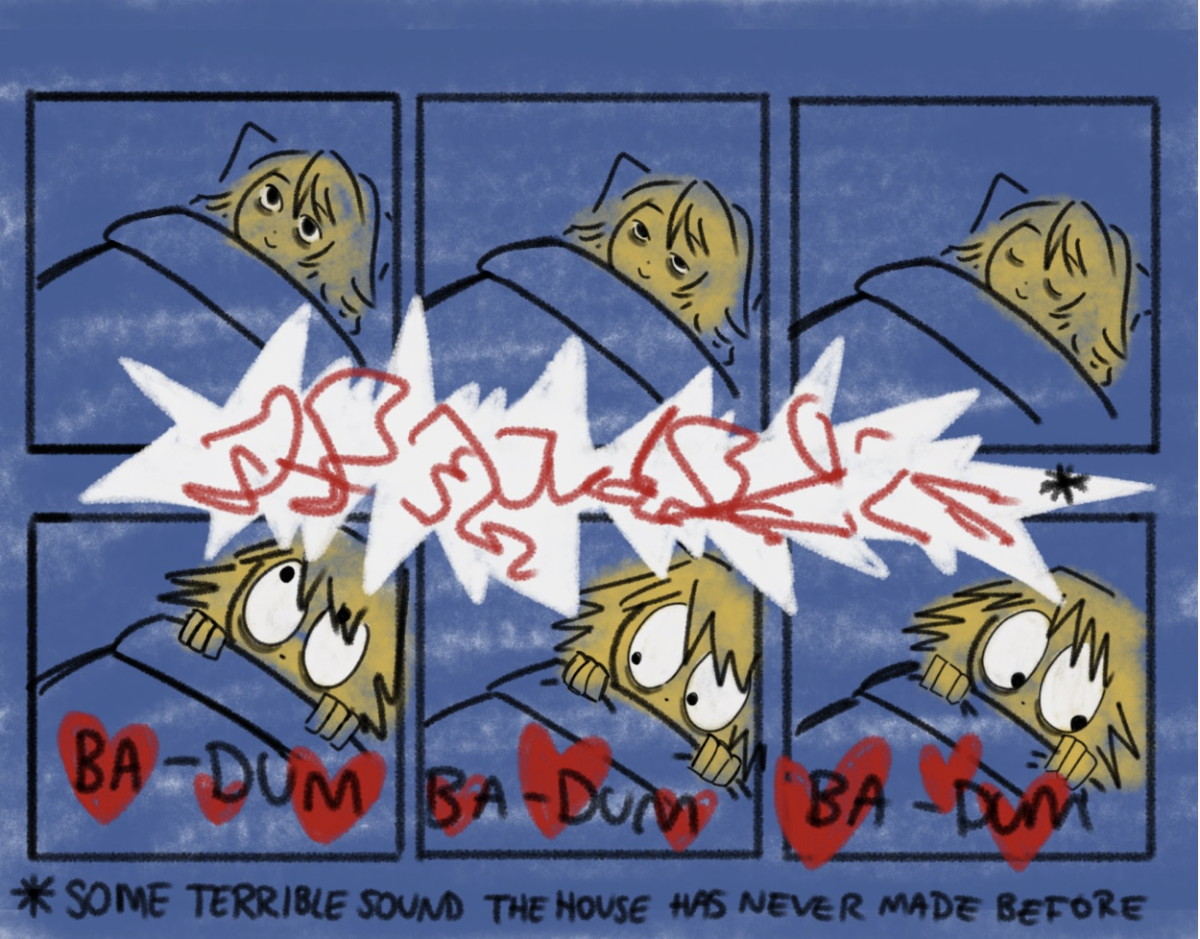












Protect your peace. Fill your cup. Prioritize self care. We’ve all heard the supposed recipe for a perfect life – but what the internet echo chamber asserts as truth is often baseless.
In 2023, the idea of “protecting your peace” took social media users by storm. The phrase, first popularized on Tiktok by wellness content creators, refers to a practice of self-reflection and prioritizing one’s own values, refusing to care for others at the expense of oneself.
It sounds simple. Stop taking on more than you can chew, stop overwhelming yourself with the needs of others while neglecting your own – a people pleaser’s miracle cure.
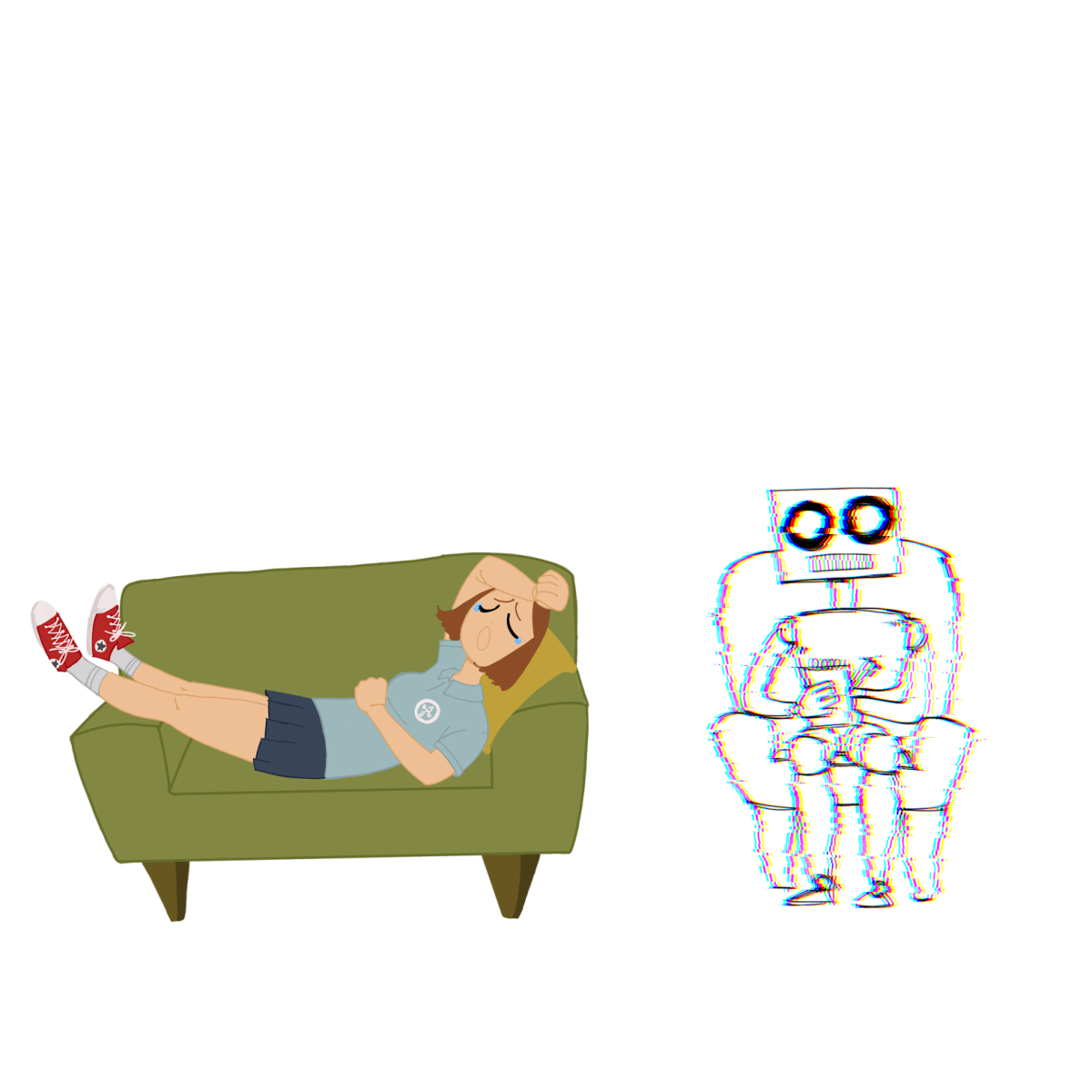
But what if wellness culture is leading us further away from actually being well?
With 63% of teenagers aged 13-17 using TikTok on a daily basis, “protecting your peace” and its effects are near unavoidable. This popularized version of self-protection has transformed into a sort of self-obsession.
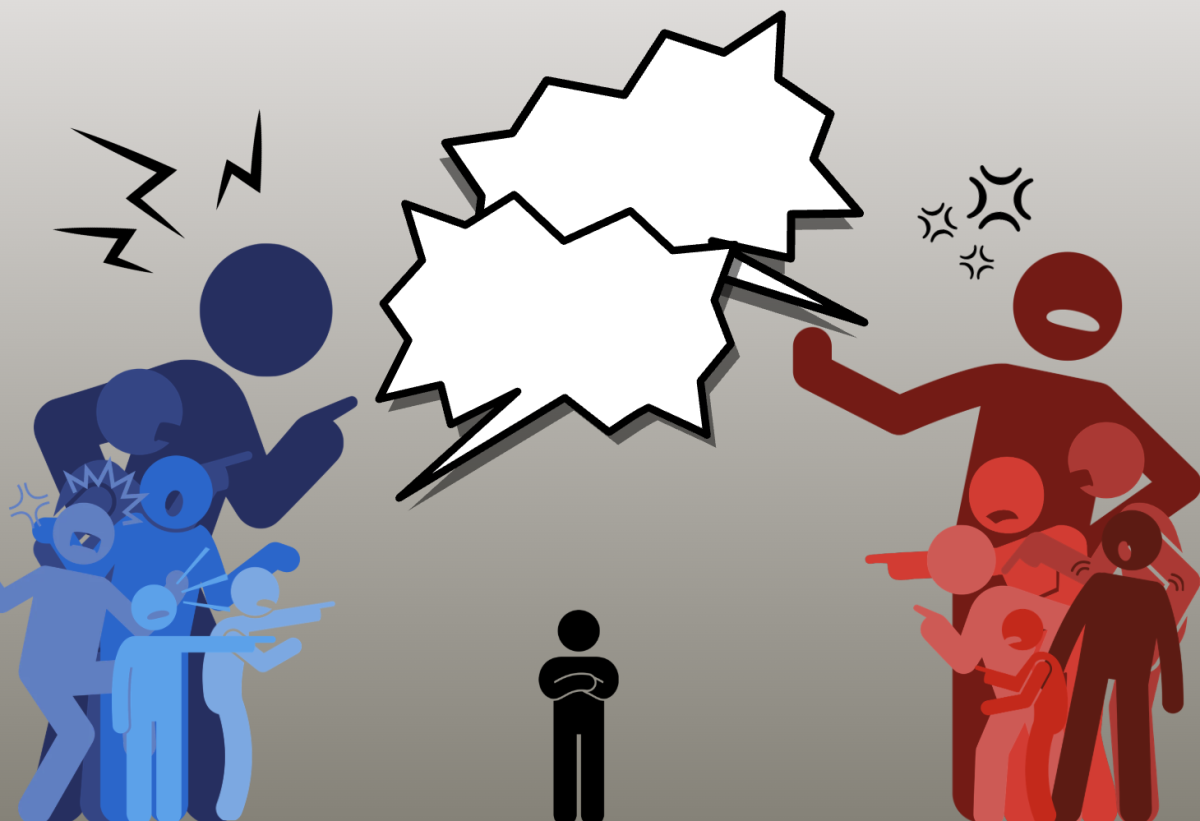
Another popular aspect of the phrase is its emphasis on a stress-free inner circle. Conflict is to be eradicated by any means necessary, including ending long-term relationships by way of “ghosting”– cutting off friendships with no warning or communication. Personal emotions are held up as fact, and any passing remark is easily misconstrued as a personal offense.
The issue is most prevalent among younger generations and a comfort with online anonymity. 84% of Gen Z-ers and millennials report that they have been ghosted at least once. Instead of a means of escape from abusive relationships, protecting your peace has become an excuse to deny forgiveness, avoid a stressful conversation, or even just to flake out on your friend’s boring party.
After all, you should only have a life that “fills your cup.”
The rise of “protecting your peace” has coincided with the rise of wellness culture, an insatiable need for better sleep, better skin and the new Drunk Elephant bronzing drops.
With this came the perception of skin care and wellness products’ role as a necessity.
Subscribers to the wellness philosophy assert that true peace doesn’t just come from a perfect social circle. The real work comes from within – a physiological tranquility that can be achieved with daily meditation and a 10-step skincare routine.
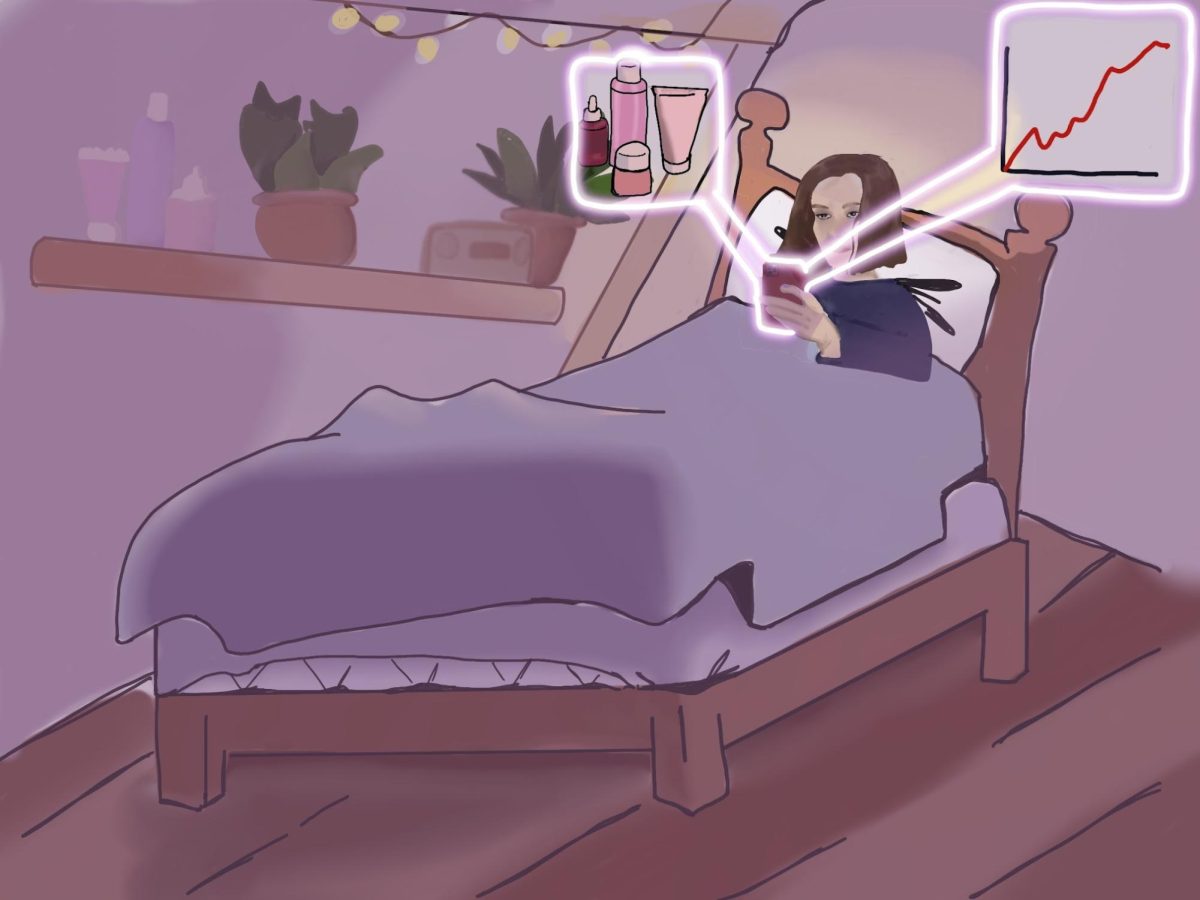
This newfound belief in the healing power of skincare came at a clear cost – the price of products themselves. After a 2020 dip, global cosmetics markets showed a sudden spike in sales from 2021 to 2023.
The use of self-improvement as a for-profit corporation isn’t just greedy – it’s exploitative. Big businesses aren’t experiencing an ideological shift toward valuing the well-being of the consumer, they’ve found an opportunity in your willingness to pay for happiness.
The wellness hysteria extends beyond your skin – teenagers and young adults have found an obsession in fitness, nutrition and even health.
The craze is profitable – an opportunity to advertise a Pilates class for a leaner build, the Free People workout set for a cleaner look, Khloe Kardashian’s protein popcorn to better manage your macros and an Oura to track your sleep.
Though digital innovations in health have revolutionized healthcare with home insulin pricks and wearable blood pressure monitors, there comes an obvious tipping point when healthcare becomes commercial, as tools like the Garmin Watch have become garish staples in personal wellness with almost 30% of Americans reporting that they use a wearable health tracker on a regular basis.
The devices claim to better your well-being by tracking your sleep, energy levels and heart rate granting you greater control over your physical and mental health. However, the trackers have the potential to ruin your entire mood with a bad sleep score at the steep cost of $500 initially, alongside a whopping $69.99 a year for continuous use.
The corruption of wellness is, undeniably, a disease that targets your insecurity. The restorative properties that greedy corporations promise coupled with the normalization of a selfish subculture are a lethal combination and, rather than facilitating the creation of a more health-conscious and emotionally intelligent generation, have manufactured a population of young people who are dependent on an influencer-sponsored subscription for happiness.
Despite its flaws, “protecting your peace” is not unsalvageable, and wellness culture is not inherently evil. The practice grants a sense of control over one’s relationships, a place of respite when conflict becomes overwhelming.
To take time for yourself, to care for your body and mind, to “protect your peace” are valuable and necessary aspects of social life, yet are to be used sparingly – you can’t protect your peace if it is at the expense of others.
Amy Poag, Upper School Director of Counseling, says that the practices are most effective when used circumstantially and carefully.
“Allow ourselves, allow yourself and each other some grace, and freedom from judgment. and some space to figure this out,” she said. “And give ourselves permission to take care of ourselves and take care of each other. And also challenge us to face the things that are hard.”