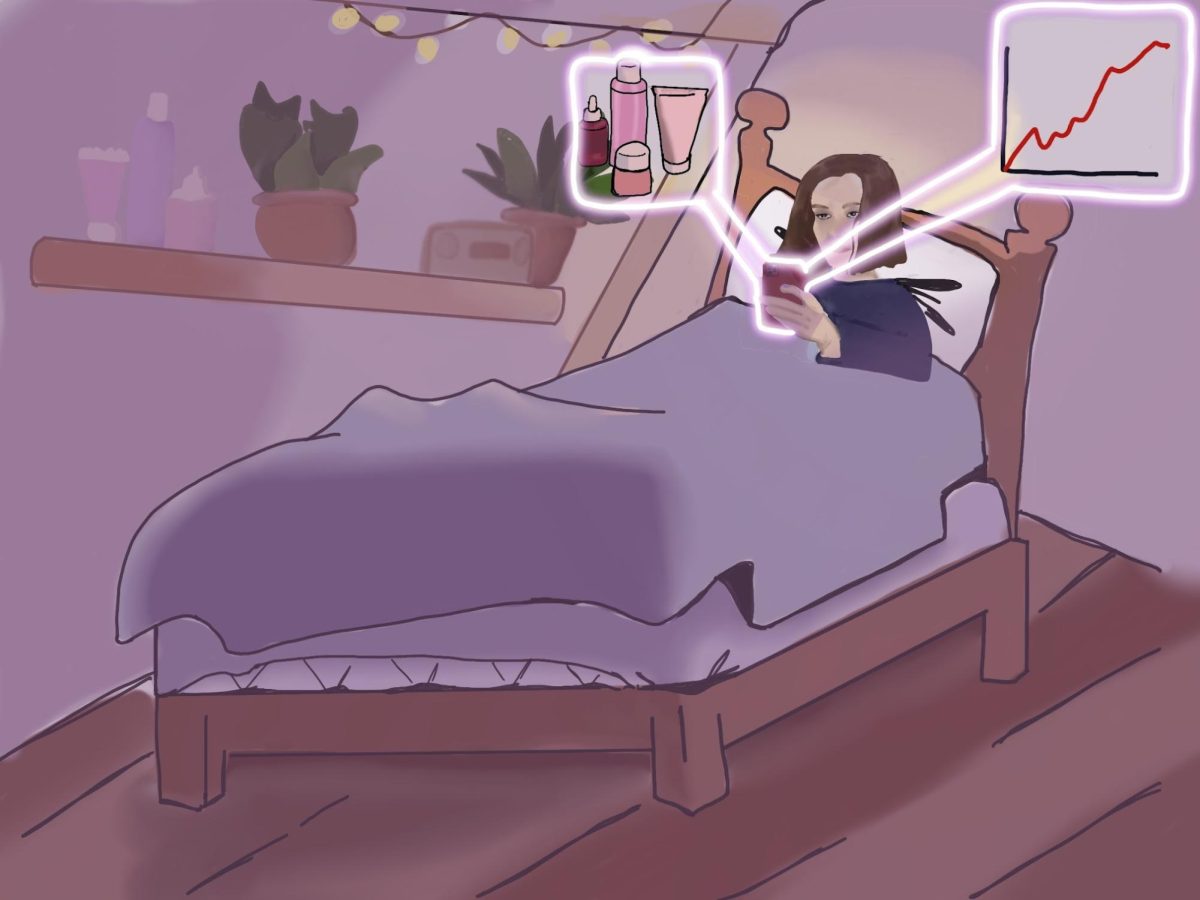
It’s the night before a dance competition. I am sitting on my bathroom floor at 11:00 PM waiting for my self-tan to dry before I start my homework. I am eleven years old, and this is normal.
I was always told that I had to tan if I were to be in competitions, because I would stick out under stage lights, and they wanted us to all look the same.
I wish I had known the effect this would have on my confidence.
For white women in the west, tan skin has been part of female beauty standards for over 100 years. Before 1920, tan skin was associated with the working class, with people who did manual labor.
This all changed in 1923 when Coco Chanel emerged onto the Cannes red carpet after mistakenly getting a tan while yachting. (Everyone has that problem, right?) Suddenly, the golden glow was all anyone wanted.
And 100 years later, it still is. But now we have a multitude of ways to get there. Whether you use spray tans, gradual tanners, tanning oil, tanning beds or bronzing drops, you can make your skin look like you spent hours in the sun.
But for me, I would never get “golden” in the sun. I would burn to a crisp. That’s what’s natural for me. So if I want that look, I have to spend hours applying self tanners. And I still won’t even have the “desired” result.
But at least it would be basically safe.
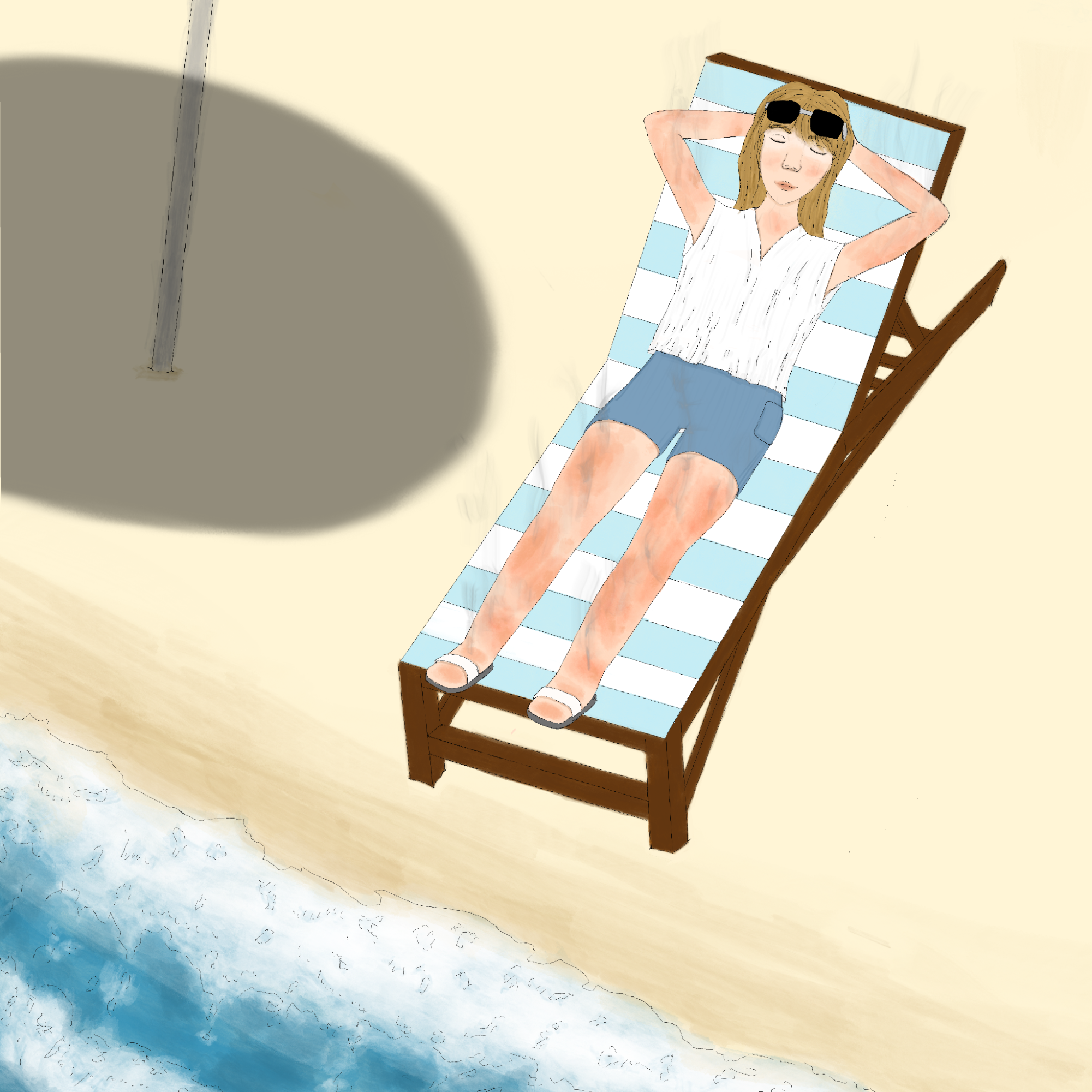
Tanning can make great memories of having fun in the sun with family and friends, but sun tanning can inflict serious physical damage.
Even if there is no visible damage, natural tanning only occurs when the skin barrier is burned, meaning there is truly no safe way to tan.
Skin cancer can appear as harmless as a mole or freckle, but beneath the surface can be much more serious.
It’s easy to have the attitude of “it won’t happen to me,” but one in five people are diagnosed with skin cancer at least once in their life. While skin cancer is a more common risk for people with fair skin, people with darker skin are at a higher risk of the deadlier kinds. This is partly because doctors aren’t as good at diagnosing skin cancer for people with darker skin.
Self tanners are safer and have been gaining popularity since the 1950s, but they’re expensive.
Self tanners cost around $20 per bottle on average. Spray tans can cost anywhere from $30 to $70 on average.
And in the end, what is it for? To please others?
The peer pressure to tan can lead to a lack of self-confidence and, in serious cases, to body dysmorphia, in which people spend too much time obsessing over their perceived flaws.
I have personally had to deal with the peer pressure that comes from tanning in the competitive dance world.
If I wasn’t tan, I felt alienated and as if I didn’t fit in with my peers. But when I did tan, I felt as if I wasn’t being true to myself and how I naturally look.
There are so many issues with this. Not everyone in the world looks the same, and that’s what gives the world diversity and beauty.
Over time, I grew to realize that I should embrace my pale skin, and not let anyone else tell me how I should look. Maybe the stage lights would wash me out, but my natural skin is beautiful and I shouldn’t change myself.
I’m not saying you shouldn’t tan. For all my gripes, tanning is not all bad. It can make a person feel more confident in their own skin. But if you tan, I encourage you to tan for the right reason. If you are tanning because someone else told you to, or because you feel like you have to, know that you can push back.
. I promise that you will feel more connected with yourself and able to embrace your own appearance. It might even make you more confident in your opinions, ideas and beliefs, too.
Remember, the healthiest glow is the one you have when you are confident in how you were made, and don’t let anyone tell you otherwise.