






![[GALLERY] Walking in (Downtown) Memphis](https://stmarystatler.org/wp-content/uploads/2024/04/E1DAD3FE-E2CE-486F-8D1D-33D687B1613F_1_105_c.jpeg)





On the brink of the Civil War, President Abraham Lincoln said, “A house divided against itself cannot stand.” Little did he know, these words would resonate with Americans almost 200 years later, less a piece of history than a direct reflection of their own lives.
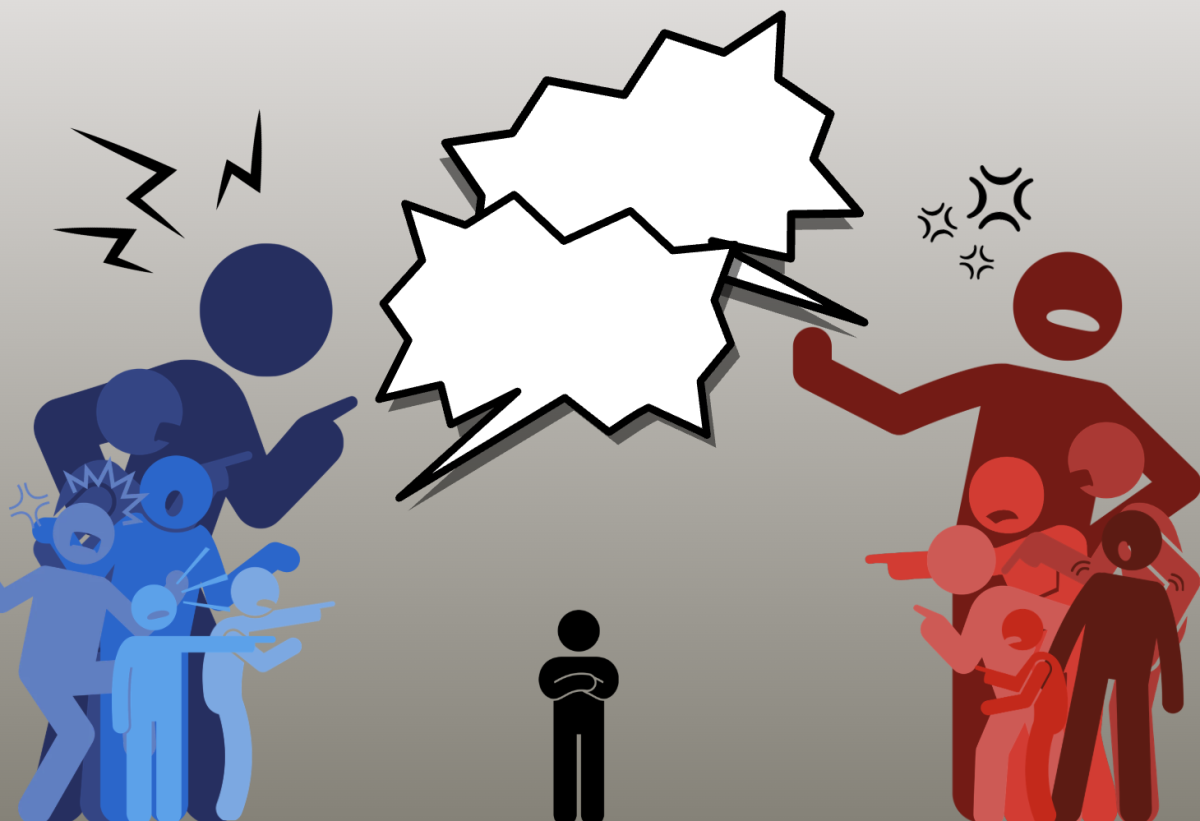
The US is facing a crisis: a moral crisis. People are bickering online and in the streets, friends and family are being shunned just for expressing an opinion and political violence is becoming an issue most don’t have to go far to see. And it’s all because of the assumptions we make about one another.
In 2022, according to a study by the Pew Research Center, 72% of Republicans said Democrats were immoral, and 63% of Democrats said the same about Republicans. As of October 2025, one third of the respondents said they believe that political violence is justified, which is a startling difference from the 19% who said it was justified in April 2024.
These aren’t just numbers. They reflect how Americans live now. One in every five American adults say they have become detached from their own family due to political differences, with 19% not attending family gatherings and 22% blocking relatives online. And, perhaps unsurprisingly, 85% of US adults say that political violence in the country is increasing.
Even in the youth, we see political strife. Half of US teens have said political disagreements have affected their friendships.
And I can speak to that.
“If I ever figured out one of my friends was a _____, I would have to stop being friends with them.”
I looked at my friend, who stood before me confident in her words. Heads around me nodded in agreement. This only makes sense, right? If people don’t share the same political beliefs, then it must be impossible for them to be friends. The only problem was that I’m a ____.
This friend and I have known each other for a while, and we’d never had a disagreement, but now, I was hearing that if I used this one little word to describe myself, she wouldn’t want to know me anymore. That blank could have just as easily been my friend’s political affiliation. It could be yours, too.
And that’s our collective problem.
The idea that political parties define who we are has taken hold of the country. Not that long ago, terms like conservative and liberal, Republican and Democrat, didn’t have such strong negativity associated with them. Republicans weren’t evil cultists before, and Democrats weren’t out-of-touch elitists.
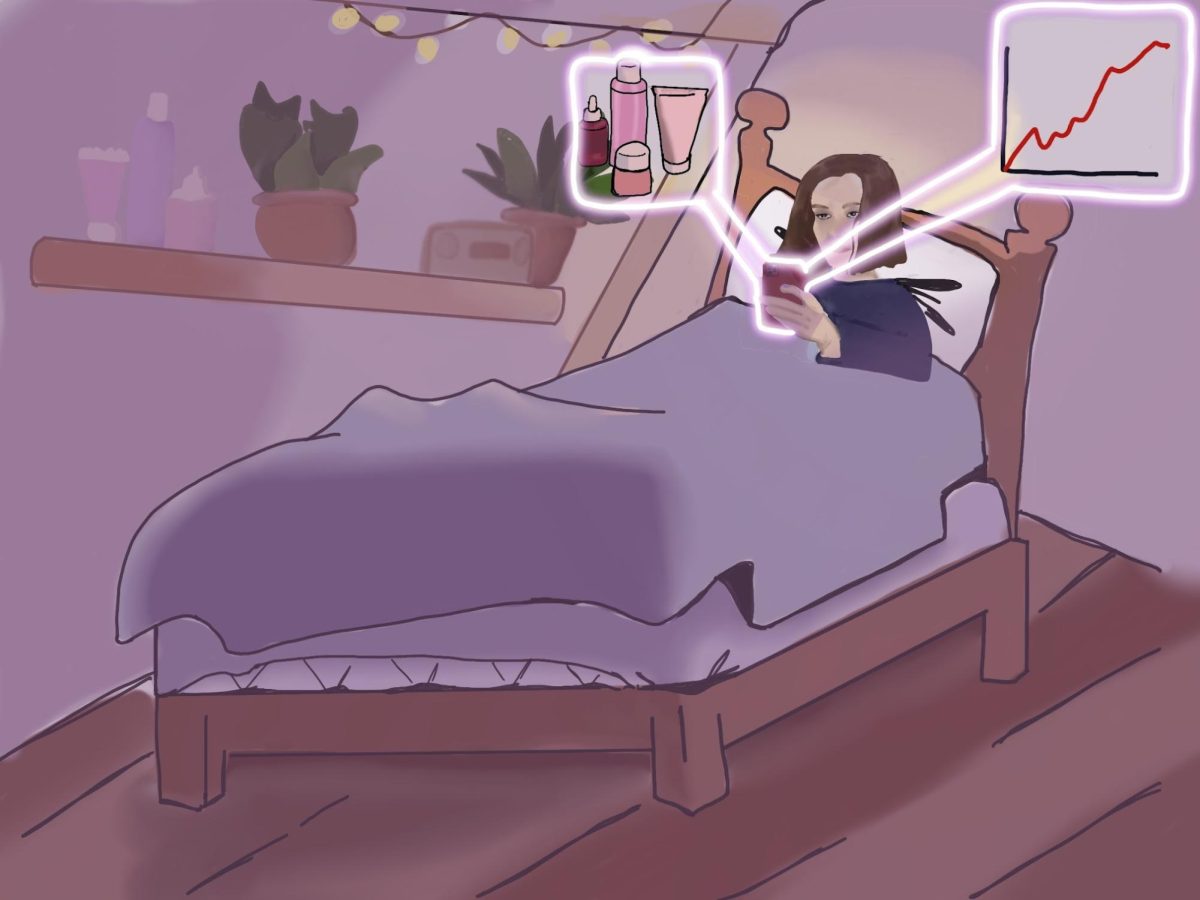
It’s easy to blame social media’s skewed depiction of party politics for these stereotypes, but we’re the ones that fell for it. We chose to let stereotypes dictate our interactions instead of hearing each other out.
A whopping 82% of Americans worry that their political views are being misinterpreted, and I resonate with this deeply. I too have learned to keep my opinions to myself in fear of instant retaliation, but our fear is also the problem.
Because we assume others are too angry to hear a different perspective, we are too scared to make an attempt at all. And so we fight because we don’t understand, we assume because we don’t know.
We have this idea that politics is a fundamental, morally defining choice we have to make, but what we have forgotten is that choices are made for a reason. Different lives result in different perspectives, and every perspective deserves respect.
And party affiliation doesn’t define everything a person believes. That Republican may be pro-choice. That Democrat may be pro-border control. These views are completely ignored, and might even sound crazy, because of how sensitized we have become to the false reality that a label can define everything.
You never know what someone has to say until you listen to them. Yes, some beliefs are truly harmful, and if so, then you can step away from that person with your dignity intact, but if it’s not, then that’s a relationship saved and a new perspective let into your life.
So what should we be doing differently? We can ask questions without making assumptions, disagree without being cruel and stop replacing a person with a label. Let’s talk. Maybe we still won’t agree or understand the alternate view, but we can respect each other a little more and worry a little less.
Unity doesn’t mean agreement, it means refusing to turn on each other. Democracy calls for all voices, but when words are silenced simply because someone cannot bear hearing any opinion but their own, everyone suffers. We don’t lose democracy when people disagree, we lose it when people stop listening.