












![[GALLERY] Walking in (Downtown) Memphis](https://stmarystatler.org/wp-content/uploads/2024/04/E1DAD3FE-E2CE-486F-8D1D-33D687B1613F_1_105_c.jpeg)
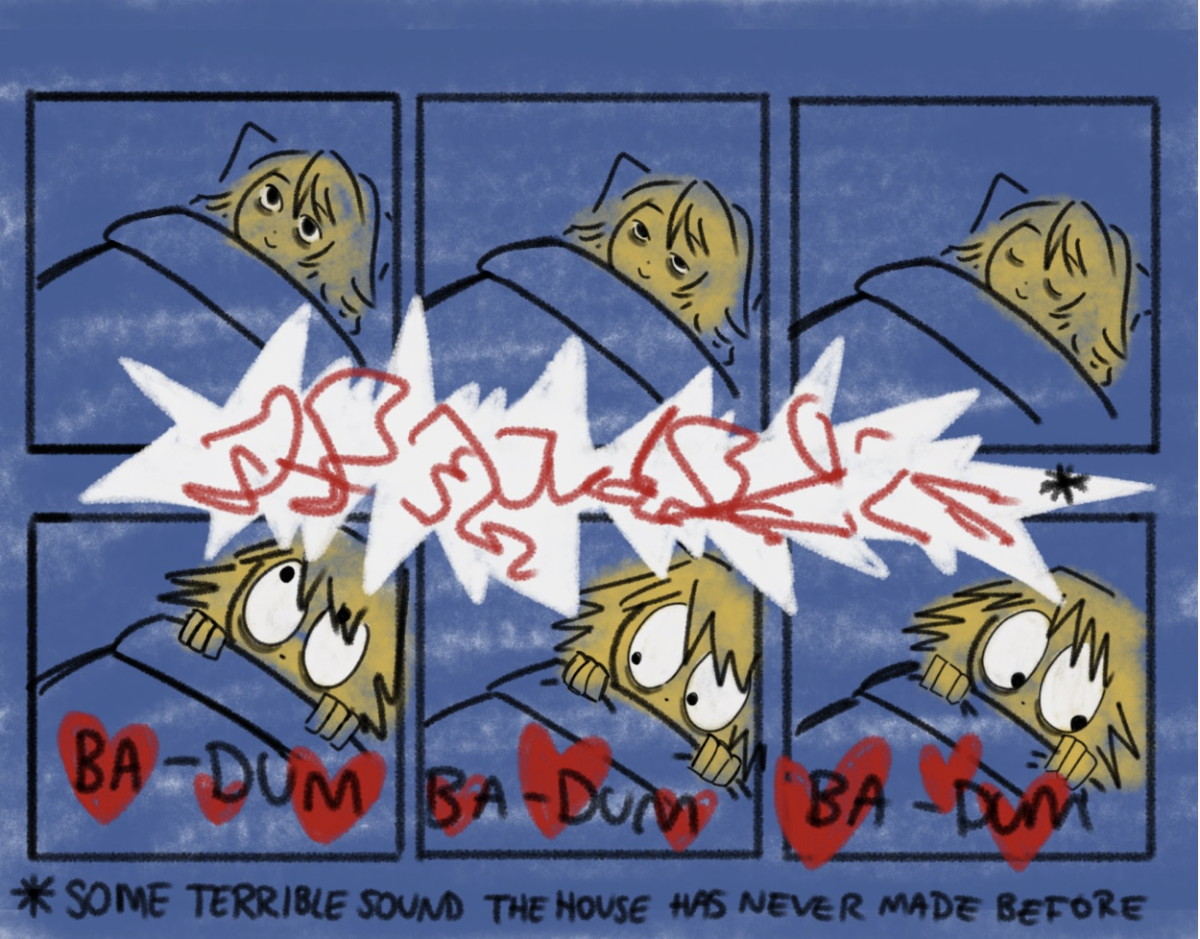










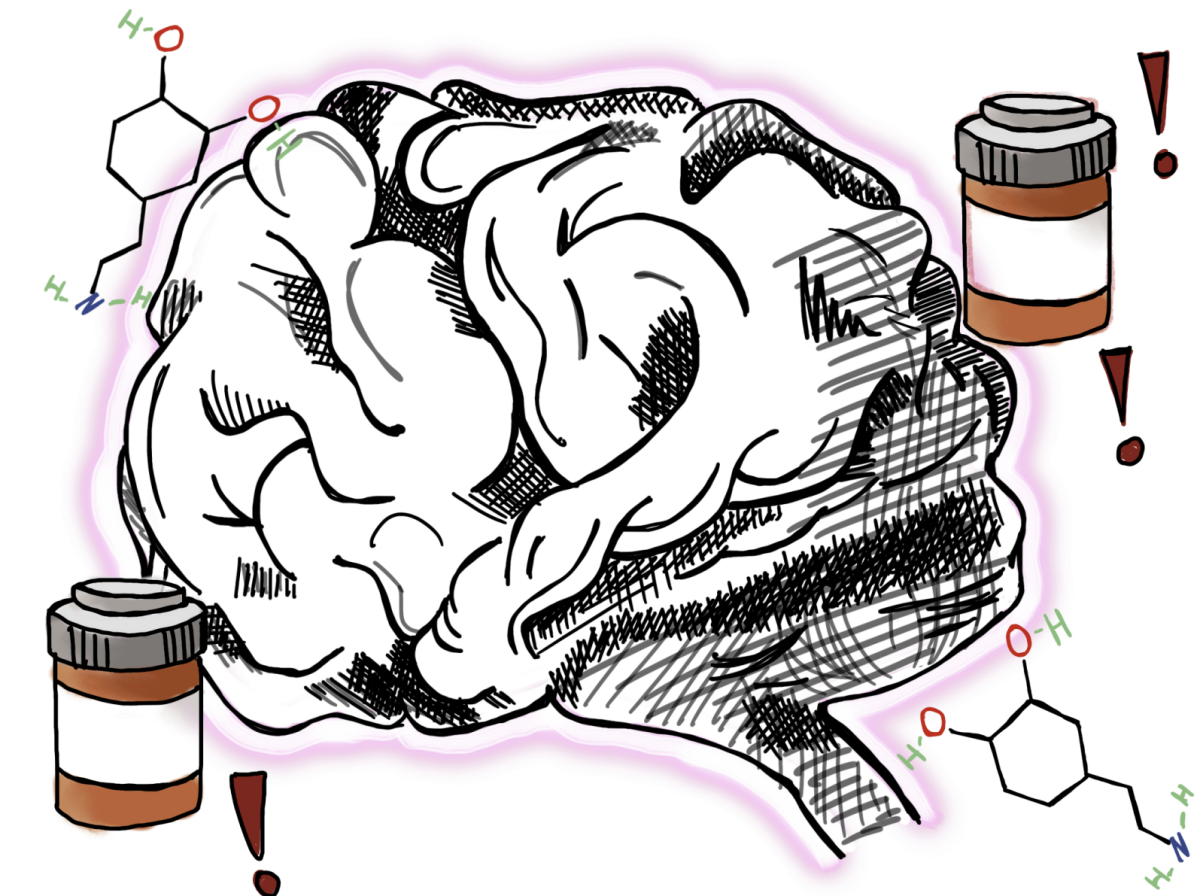
I used to have a stash of pills. Hundreds of tablets hidden under chairs, in the trash can, waiting until I could flush them down the toilet.
They were supposed to combat my depression, to make me feel better, make me more “normal”. Most people would consider that to be helpful, right?
Well, I didn’t want to take them. I thought they would make me a less authentic version of myself, and I felt that needing them would make me not normal.
I wasn’t alone in being prescribed medication to treat mental illness. Over the past several decades, usage of psychotropic medications – drugs that alter the brain’s chemistry by influencing neurotransmitters – have become more common among people ages 12-25. As of 2022, 4.5% of individuals aged 12-25 received a prescription for an antidepressant medication.
From 2006 to 2023, the number of children,ages 3-17, that use selective serotonin reuptake inhibitors (SSRIs), a specific type of antidepressant, increased from 1.5% to 3.6%. This number has more than doubled in less than two decades.
I joined this percentage starting roughly around 2020. When COVID hit, my depression spiked to a level that my family had not previously experienced. I was struggling with episodes that lasted up to 12 months.
I was prescribed an SSRI. SSRIs increase levels of serotonin – the “feel good” chemical – in the brain to improve moods. It is most often associated with the treatment of depression, anxiety and obsessive compulsive disorder (OCD). They include widely known medications like Lexapro, Prozac and Zoloft.
For me, usage of these medications felt as if they were my way of shortcutting my feelings. In my mind, I was the only one in the world that dealt with some sort of chemical imbalance in my brain.
Yes, my meds were helpful, but on them, I felt like they changed me. I felt as if I somehow was not good enough to function on my own.
It was like I had a cheat code in life.
What I didn’t realize was that I was initially medicated poorly. My psychiatrists had me on what felt like thousands of pills (it definitely was not), which did not help me feel “typical,” which was what I expected.
So for a while, I just didn’t take them.
But then I learned more, received better prescriptions and realized that I needed to rethink my definition of normal.
Not only that, we need to rethink our definition of normal.
Who is normal? What is normal?
Heather Fesperman, a Memphis-based psychiatric mental health nurse practitioner, helped me clarify.
“What’s normal for you isn’t necessarily normal for someone else,” she said. Normal is “person-specific.”
These prescription drugs affect mood, thoughts and behavior by adjusting chemical imbalances in the brain. Medications, when prescribed correctly, do not make you “normal” by some universal standard, but they can bring you back to your normal.
For me, I’m normally zany, fun, goofy, maybe even unpredictable, but also motivated and disciplined. I can get out of bed in the morning, and my medications help me stay in my version of normal. For you, normal may be something else, and you may need help to stay there, too.
Despite how prevalent it is, mental health has a sort of stigma surrounding it. People describe having to take psychotropic meds as if it’s incapacitating, but I don’t think that is true. Instead, I like to think of it like medication for high blood pressure, an analogy Dr. Fesperman used.
When I think about it, my old stash of pills is sort of symbolic – it’s almost like my own mental health was piling up while I refused to deal with it. Back then, I thought there was something wrong with me – with the way I was made.
Now, I’ve realized that it isn’t a problem with me. It’s simply that I need a little more help, and there is nothing wrong with that.