

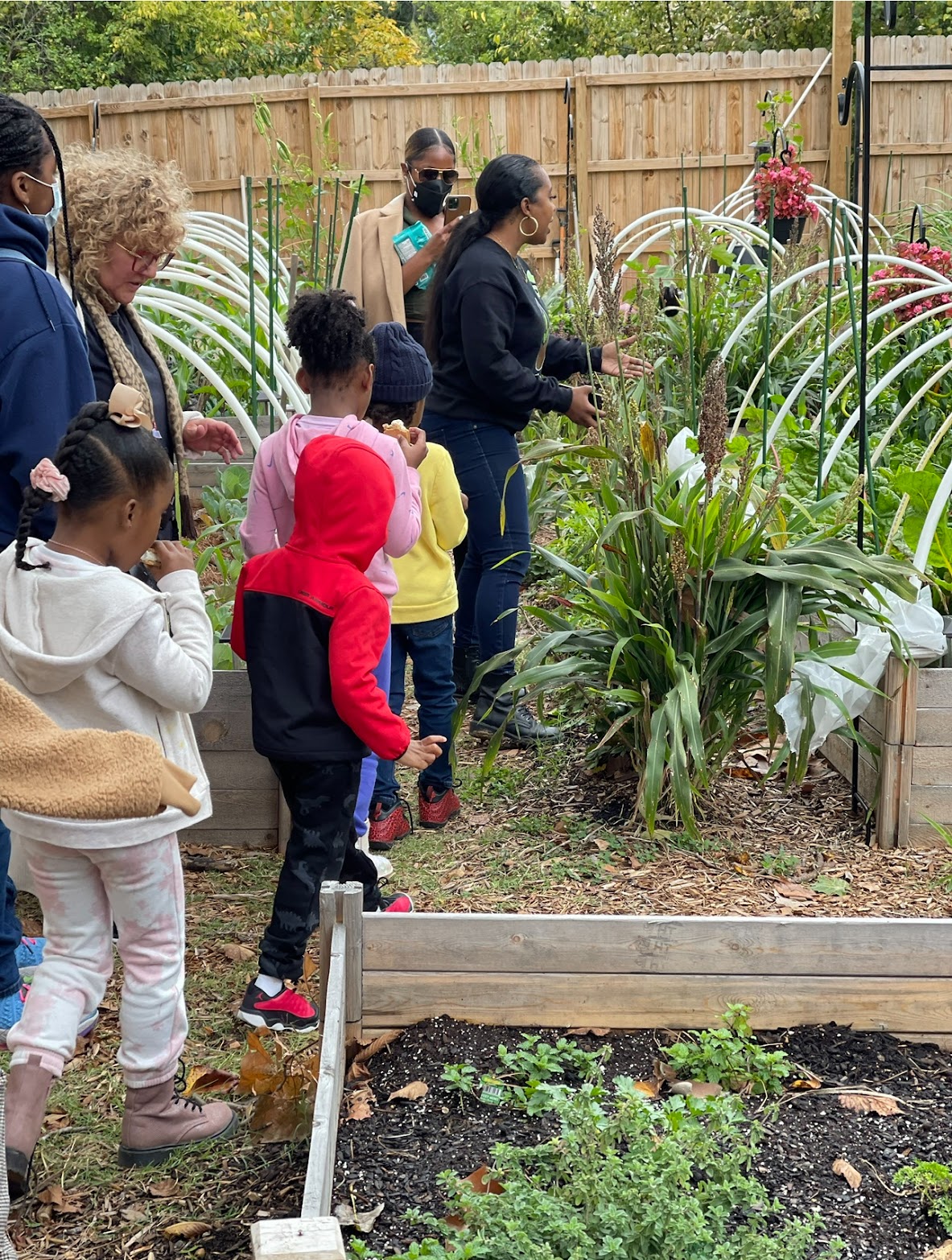
“What do you want to eat?”
It’s a question Dervia Rich finds herself asking her neighbors in the Greenlaw neighborhood of Memphis each season, as she and her husband Bobby Rich, prepare to plant their garden.
In a city struggling with food insecurity, Black Seeds Urban Farms actively works to provide healthy food to the community.
Memphis is the largest food desert in the United States, which in urban communities are areas further than a mile from a grocery store. According to a city proclamation from 2020, 74% of Memphians live in food deserts with little to no access to fresh, affordable and healthy food options.
The lack of healthy options may lead to health issues like obesity, diabetes and heart problems. Other consequences are long-term food insecurity, lower child development rates and higher likelihood of hospitalizations.
But in South Memphis, a community garden is facing these challenges head on.
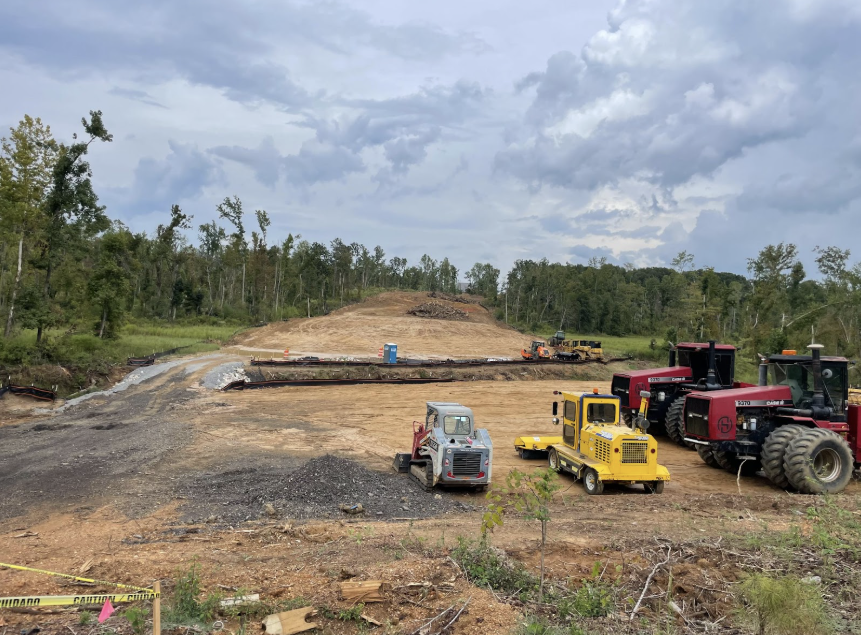
The Black Seeds Garden, founded by Dervia Rich, is a garden located in the Greenlaw community near downtown Memphis, which was historically a food desert in the city. The organization provides accessible and healthy foods.
Rich is originally from the community and said she feels a deep connection there.
“It means a lot to us to be in that area,” she said. “One because it is a community that has been invested with us for decades. This community is severely underserved particularly in the areas of fresh food and food access. If you know anything about that area, they don’t currently or for many years have not had access to a grocery store in that area. So, for us to be in that neighborhood, it means a lot because being able to have true access to fresh food is very important to the residents of their neighborhood because they do not have many options.”
She and her husband began experimenting with gardening as a fun hobby, but soon realized they could do more.
“Prior to starting a nonprofit in a LLC in [Greenlaw], my husband and I grew food for the neighborhood that I’m from, just out of interest, just out of a hobby,” she said. “And so we started growing food for our family and our neighborhood and church members. And before we knew it, it kinda spiraled off to other people outside of our close-knit group of people. … I realized that it was just more than my family and my church members who needed tomatoes and cucumbers and squash and greens and all of this great stuff that my husband was growing. It was Memphis at large.”
All the work at Black Seeds is volunteer based and community led.
“Through our nonprofit efforts, we canvas our community and ask our community what they want us to grow every season,” she said. “So right now, we’re currently preparing for the fall season and, you know, we ask our neighbors, what do you want to eat? And so this season, they’re telling us the different list of greens. Every year, we grow a variety of greens from collards to mustards to bok choy to kale to Swiss chards to, you know, pretty much any green you can think of.”
Black Seeds prioritizes growing crops without harmful chemicals, but it isn’t just about the vegetables. It’s about encouraging others in the community to make healthy choices and to give back.
“It’s just about making better, healthier decisions overall, whether it is socially, or, just even in your own community,” Rich said. “[It’s] letting people you know to be more involved and make a positive impact in your community.”
Rich said she hopes that what they are accomplishing at Black Seeds can expand beyond Greenlaw.
“[We’re] hoping to be a blueprint of what can be deployed throughout communities in Memphis who need fresh food access,” she said. “So we’re hoping to build a model, some type of model that can be implemented, through our communities for people to have true access to food whenever they need it,” she said.
In a time of struggle, Rich has a strong hope for the future. She encourages others to get involved “By volunteering, donating, by joining the cause.”
“This is a movement, and we are not alone in this movement,” she said.
For more information visit the Black Seeds website Black Seeds Urban Farm.







Campbell Cates • May 8, 2026 at 12:46 pm
Love the article Riya!!
anonymous • Feb 9, 2026 at 11:51 am
wonderful!